Posts

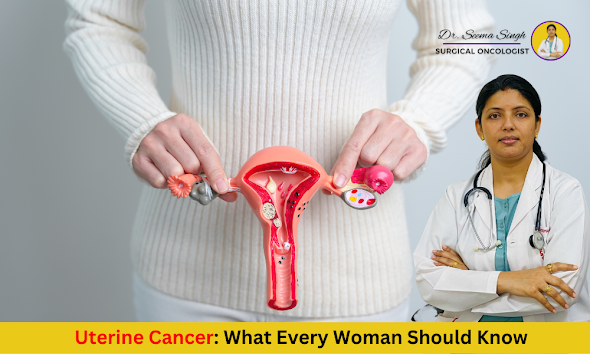
Uterine Cancer: What Every Woman Should Know
Image
Uterine cancer, also known as endometrial cancer, is a type of cancer that affects the uterus, which is a part of the female reproductive system. The uterus is where a fetus develops during pregnancy. Uterine cancer can develop in two main areas of the uterus: Endometrial cancer: This type of cancer starts in the endometrium, which is the inner lining of the uterus. It is the most common type of uterine cancer, accounting for about 95% of cases. Uterine sarcoma: Uterine sarcoma develops in the myometrium, which is the muscle wall of the uterus. It is a very rare type of uterine cancer. People often use the terms "endometrial cancer" and "uterine cancer" interchangeably, as endometrial cancer is the most common form of uterine cancer. Uterine cancer can be a serious condition, but with early detection and treatment, the prognosis is often good. The uterus is a vital organ in the female reproductive system. It is located in the pelvis and is responsible for nurturin...

Myths and Facts About Thyroid Cancer

Image
  The thyroid is a gland located in the front of the neck that produces hormones essential for regulating metabolism. It secretes T3 and T4 hormones under the influence of Thyroid-stimulating hormone (TSH) from the pituitary gland. These hormones affect almost every organ in the body and maintain the basal metabolic rate (BMR). Iodine is crucial for the normal function of the thyroid gland. Disorders of the thyroid gland include hypothyroidism (underactive thyroid), hyperthyroidism (overactive thyroid), goitre (thyroid swelling), and benign or malignant nodules. Screening for thyroid problems is important at different stages of life: Newborn babies should be screened for hypothyroidism at birth. Children should be screened if they show signs of poor growth, delayed puberty, inattention, or have other conditions like goitre, vitiligo, or type 1 diabetes mellitus. Adults should consider screening if they experience fatigue, lethargy, feeling cold, unexplained hair loss or weight gain...

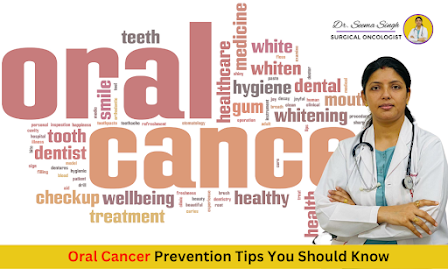
Oral Cancer Prevention Tips You Should Know

Image
  Preventing oral cancer is important. To lower your risk, it's good to know what can make you more likely to get it. These are called risk factors, and while you can't change some of them, there are things you can do to reduce your chances of developing oral cancer. The main risk factors for oral cancer are: 1. ** Tobacco Use **: This includes smoking cigarettes, cigars, or pipes, as well as chewing tobacco or using snuff. If you use any form of tobacco, quitting can help lower your risk. 2. ** Alcohol Consumption **: Drinking alcohol, especially in large amounts over a long time, increases your risk. If you do drink, try to do so in moderation or consider quitting. 3. ** HPV Infection **: Human papillomavirus (HPV) infection is a risk factor, particularly for cancers at the back of the throat. Limiting your risk of HPV infection can help lower your risk of oral cancer. 4. ** Sun Exposure **: Ultraviolet (UV) radiation from the sun can increase the risk of lip cancer. Protect ...

Head and Neck Cancer: Causes, Symptoms, and Treatment

Image
  What is Head and Neck cancer ? Head and neck cancer is a type of cancer that can affect various parts of your head and neck, including your mouth, throat, voice box, and salivary glands. Understanding the basics of this condition, including its types, symptoms, and risk factors, can help you recognize the signs early and seek appropriate medical care. Types of Head and Neck Cancer There are several types of head and neck cancer, each affecting different areas: Oral Cancer: This type of cancer can develop in the lips, tongue, gums, cheeks, and the roof or floor of the mouth. Oropharyngeal Cancer: Cancer that affects the middle part of the throat (oropharynx). Tonsil cancer is a common form of oropharyngeal cancer. Hypopharyngeal Cancer: Cancer that occurs in the bottom part of the throat (hypopharynx). Laryngeal Cancer: Cancer that affects the voice box (larynx), including the vocal cords. Nasopharyngeal Cancer: Cancer that occurs in the upper part of the throat (nasopharynx). ...

Ovarian Cancer: Facts and Figures for Awareness

Image
  If you're looking for the best doctors for ovarian cancer treatment in Delhi, it's important to understand what ovarian cancer is and what factors increase the risk of developing it. Ovarian cancer starts in the tissues of the ovary, with the most common type beginning in the epithelial cells on the ovary's surface. Less common types can develop from the egg-forming germ cells or the supporting tissue (stroma) of the ovary. Several risk factors increase the chances of developing ovarian cancer. These include age (most women diagnosed are over 55), a family history of ovarian, breast, or other related cancers, personal history of breast, uterus, colon, or rectum cancer, never being pregnant, and long-term use of estrogen hormone replacement therapy. If ovarian cancer runs in your family, it's important to discuss this with your gynecologist or primary care provider. Depending on your risk level, you may need more frequent check-ups or even consider preventive surgery ...

Breast Cancer Awareness: Learn About Symptoms and Treatment

Image
  Breast cancer is a serious health concern that can affect anyone, but catching it early can make a big difference. Let's talk about what signs to watch out for and the treatments available, with a focus on finding a robotic surgeon in Ghaziabad and a breast cancer doctor in Ghaziabad who can help. Signs and Symptoms: Breast cancer might not show any signs at first, but as it progresses, symptoms can develop. Look out for: A lump or thickening in the breast, often painless Changes in breast size, shape, or appearance Dimpling, redness, or other skin changes  Changes in nipple appearance or discharge If you notice any of these, it's important to see a doctor, even if the lump doesn't hurt. Understanding Treatment: Treatment for breast cancer depends on its type and how far it has spread. Doctors usually combine treatments to prevent the cancer from coming back. These treatments include: Surgery to remove the tumor, either a ...